
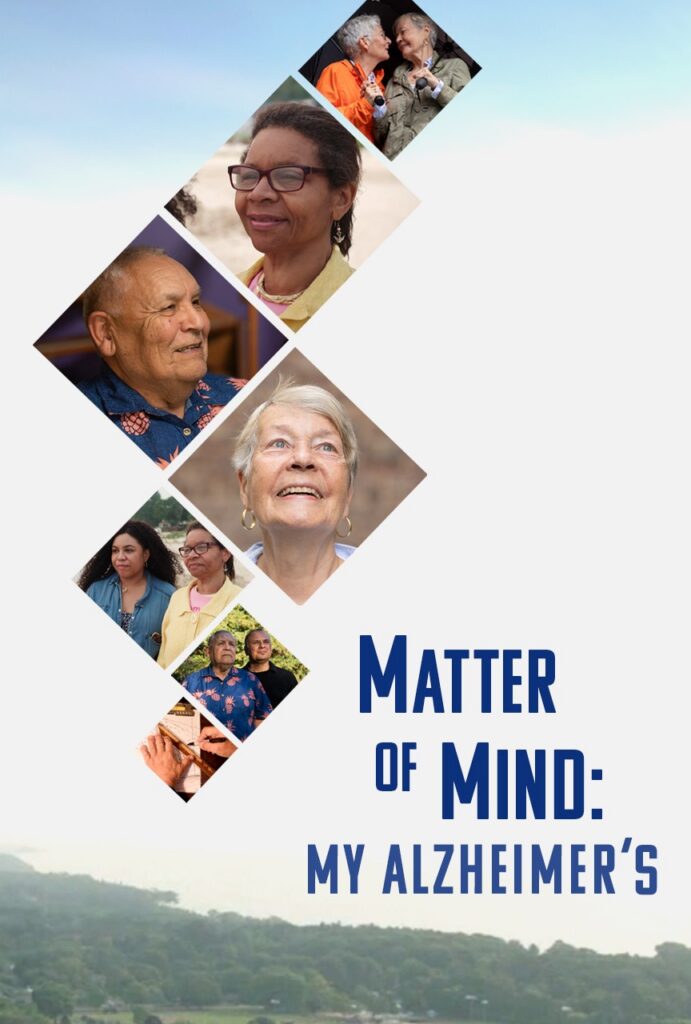
I watched Matter of Mind: My Alzheimer’s this week, and one scene in particular hit me hard.
Sue, who is living with dementia, was at a neurology appointment. In an off‑camera interview, the neurologist explained that she prefers to have both the patient and caregiver present because the person living with dementia often isn’t aware of the issues they’re experiencing. Having both parties in the room, she said, gives her a fuller picture.
On paper, that sounds logical….But I braced myself, knowing what was likely coming.
The neurologist asked Sue about her memory, mood, and behaviors. Sue said everything was fine. Her caregiver, Janice, sat beside her in a no‑win situation, torn between staying silent or contradicting her. Contradicting her risked distress and agitation. Staying silent meant the neurologist wouldn’t get critical information that could shape the treatment plan.
Janice initially stayed quiet, but eventually began sharing “the truth” about what was happening. Sue became defensive and upset, stood up, and left the room. The neurologist tried to continue the appointment with just Janice while Sue was told to “wait in this room, but don’t leave.”
Spoiler alert: Sue left the building and was walking down the busy streets of NYC, into traffic, before Janice could catch up to her.
This dynamic happens every day in dementia care and it often leads to distress, agitation, and incomplete clinical information. As an OT, I saw this constantly. It’s why I now conduct caregiver only sessions. People need space to speak honestly without causing harm.
Physicians who work with dementia: How are you navigating this?
Would a pre-appointment caregiver call help? A private caregiver-only portion of the visit? A structured caregiver report?
Caregivers who have experienced this situation, which of the above do you think would most help you relay necessary information without risking upsetting your loved one?
I’d love to hear what’s working (and what isn’t) so we can make these appointments safer, calmer, and more accurate for everyone involved.
And on a personal note, I truly loved Matter of Mind: My Alzheimer’s. It gives honest, human portrayals of dementia, and I’d recommend it to anyone who wants a deeper understanding of what families are navigating. (Link to PBS page below.)